
Key Takeaways:
- Act quickly to remove food and water sources that attract ants.
- Erase ant scent trails using household cleaners like vinegar and lemon juice.
- Seal cracks, holes, and entry points to prevent ants inside your home.
- Use natural repellents such as essential oils, spices, and coffee grounds.
- Employ DIY baits to target entire ant colonies effectively.
- Resort to commercial products or professional exterminators for severe infestations.
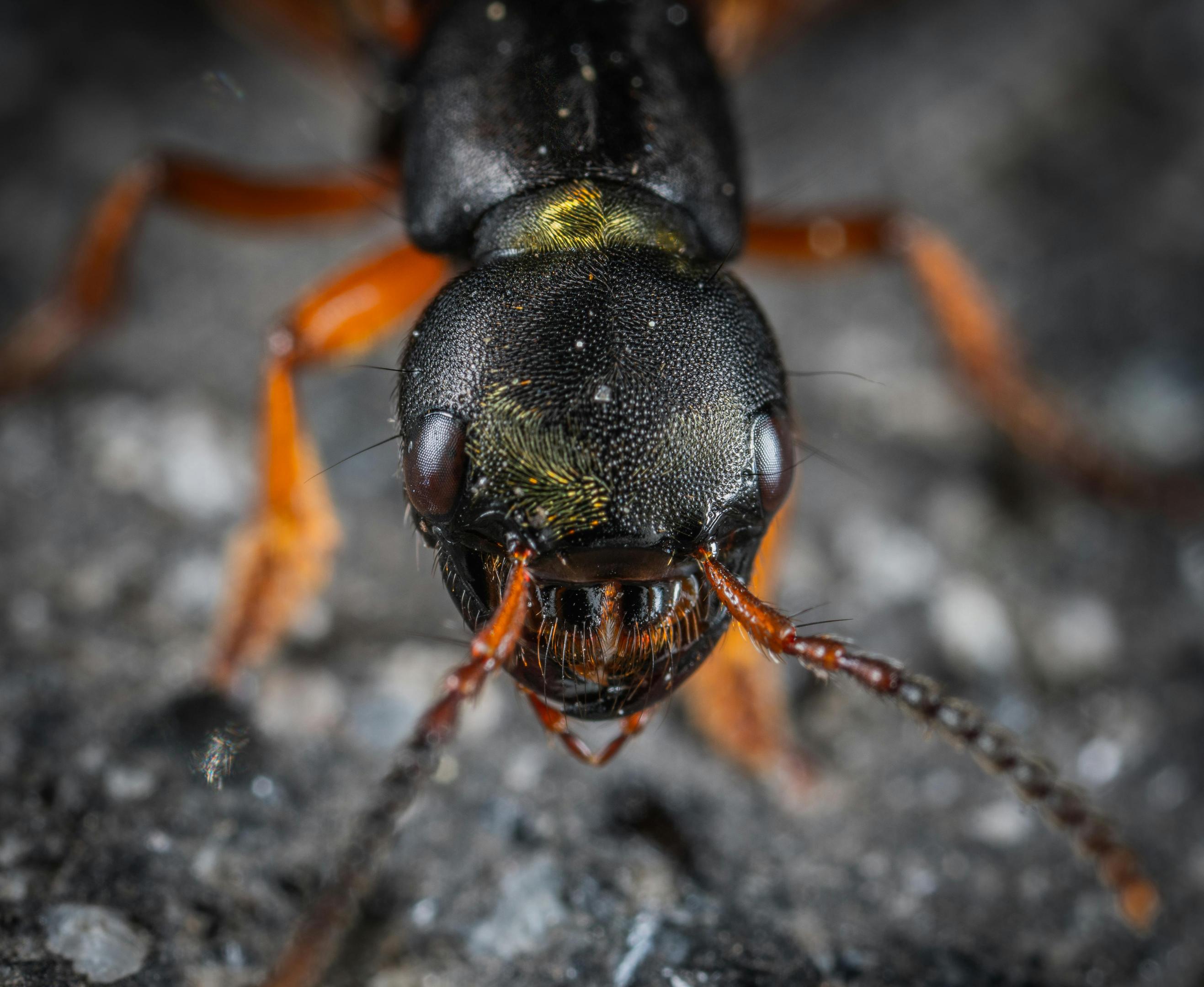
If you’ve spotted a single ant marching across your kitchen counter, chances are hundreds more are already on their way. South African homes face regular ant invasions, particularly from Argentine ants and black garden ants that become extremely active during warm months from September through March. These persistent insects establish ant colonies under paving, in lawns, and inside wall cavities, then send worker ants on missions to find food sources inside your house.
This guide walks you through step-by-step natural methods and DIY solutions to get rid of ants quickly and safely. You’ll learn how to stop ants in their tracks today, eliminate the colony over days, and prevent ants from returning. Whether you’re in a Cape Town flat, a Johannesburg townhouse, or a Durban freestanding home, these tactics work across South Africa. And when DIY isn’t enough, we’ll show you exactly when to call professional exterminators.
Step 1: Act Fast – Clear Food and Water Sources Today
The first 30 to 60 minutes after spotting an ant invasion should focus entirely on removing what’s attracting them. Before reaching for any spray or bait, cut off their food supply.
Start by following the visible ants backwards from your counter or bin to identify the exact source. You’ll often find them clustering around sugar spills, sticky jars, starchy foods, or pet food bowls left on tiled floors.
Key actions to take immediately:
- Pack away exposed food like bread, fruit, and sugar
- Wipe down sticky jars of jam, honey, and syrup
- Decant staples into sealed containers
- Clean under bread bins, around kettles, and behind toasters
- Check under braai spice racks and microwave
- Rinse pet food bowls after each feeding
Wash dishes immediately rather than leaving them to soak overnight. Dry your sinks completely—ants find standing water just as attractive as crumbs. Check cupboard corners, floors under dining tables, and anywhere food particles accumulate.
Step 2: Erase Ant Scent Trails with Household Cleaners
Worker ants leave pheromone trails that function like highways, guiding other ants directly from the nest to your food. Even after you’ve removed the attractant, more ants will keep coming unless you erase these chemical pathways.
Mix equal parts white vinegar and water in a spray bottle. Spray this solution directly onto visible trails, along skirting boards, around doors, and across countertops where you’ve seen ant activity. Wipe from the furthest point back towards the original entry point—this ensures you’re removing the entire trail.
Essential cleaning actions:
- Spray and wipe all visible ant trails with vinegar solution
- Use strong dish soap on countertops and windowsills
- Mop tiled floors with hot water and degreasing cleaner
- Clean around sliding doors and window frames
- Wipe down glass doors with glass cleaner to remove residual pheromones
These simple household ingredients disrupt ant communication and deter ants from re-establishing their routes indoors.
Step 3: Block Ant Entry Points Around Your Home
Most ant species that invade South African homes actually nest outside—under paving, in garden beds, or inside wall voids. They squeeze through incredibly small gaps to reach food sources inside. Seal holes and cracks to physically stop ants from entering.
Conduct a careful inspection of these common entry points:
- Window frames and door thresholds
- Cracks in skirting boards
- Gaps around plumbing pipes and electrical cables
- Weep holes in brickwork
- Spaces under sliding doors and garage doors
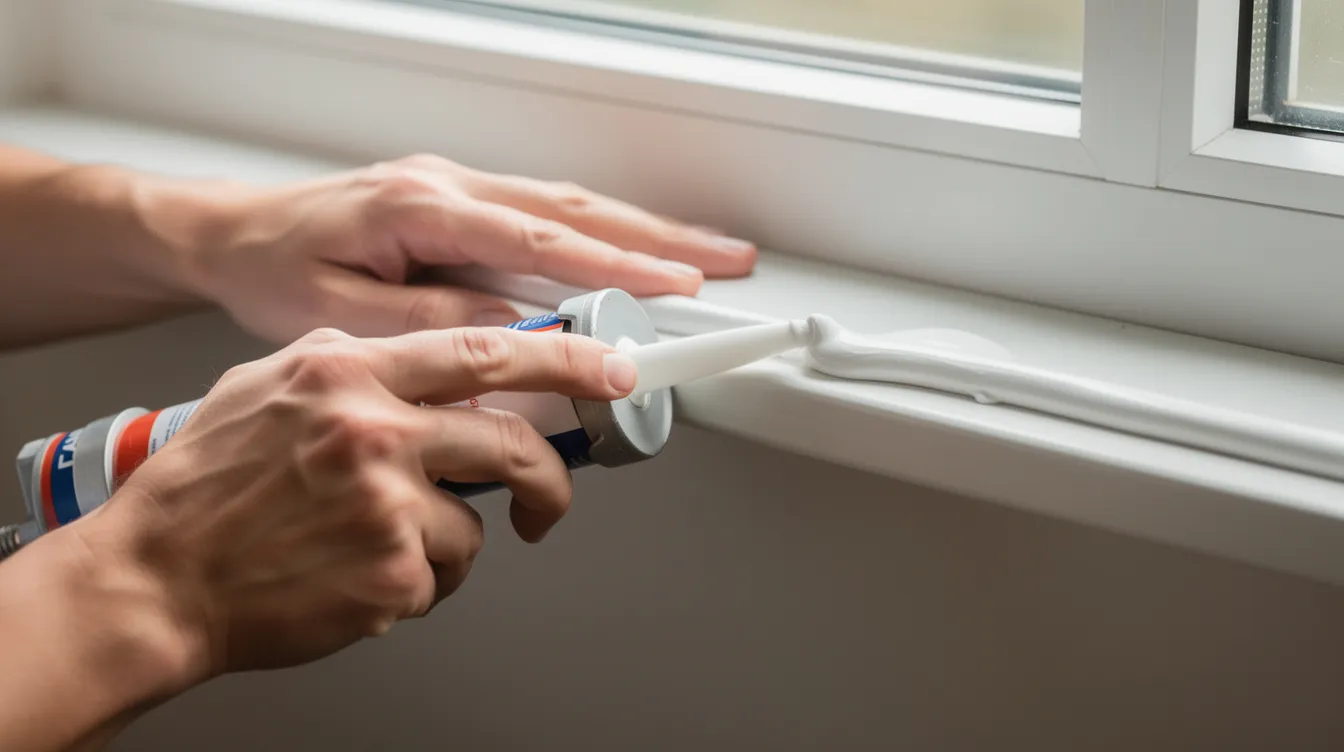
Use silicone caulk for cracks around windows and doors. Steel wool or aluminium foil works well for larger gaps around pipes. Expanding foam handles irregular wall cavities effectively.
Create a mini barrier plan by starting with rooms where food is stored—kitchen, pantry, and braai area cupboards—before moving to bedrooms and bathrooms. Most homeowners can complete this task over a single weekend.
Step 4: Natural Ways to Repel and Kill Ants Indoors
Many light to moderate infestations can be controlled using non toxic products already in your cupboard. These natural methods work well for ongoing prevention and as support after professional treatment.
Essential oils offer an effective repellent approach. Mix 10-15 drops of peppermint oil or peppermint essential oil with water and a small amount of dish soap in a spray bottle. Spray along windowsills, door frames, and under sinks. Tea tree and lemon eucalyptus oils work similarly. Keep strong oils away from pets, especially cats.
Vinegar and lemon juice solutions also deter ants effectively. Mix one part lemon juice with three parts water and wipe down surfaces and entry points. Place lemon rinds in cupboards and on windowsills as natural deterrents.
Spices and used coffee grounds create barriers ants won’t cross. Sprinkle ground cinnamon, black pepper, or coffee grounds along ant paths on balconies, around pet feeding areas, and on outside steps.
Food-grade diatomaceous earth can be sprinkled in dry indoor areas—under appliances, behind fridges, and along skirting boards. This powder damages ant exoskeletons on contact, but must stay completely dry to remain effective. These methods work best for light infestations, not massive ant colonies established under concrete.
Step 5: DIY Ant Baits That Target the Whole Colony
Contact killers only eliminate visible ants—they don’t solve the underlying problem. Baits work differently: ants carry the toxic substance back to the nest, eventually reaching the queen and destroying the entire colony.
Sugar and baking soda bait:
Mix equal parts icing sugar and bicarbonate of soda. Place small amounts on cardboard near active trails, positioned away from children and pets. The sugar attracts ants while the baking soda disrupts their digestive system.
Borax or boric acid bait:
Combine one part borax with three parts sugar, then add enough water or syrup to create a paste. Place in shallow bottle caps along trails. These baits are more potent and must be kept strictly out of reach of pets and toddlers—borax is harmful if ingested.
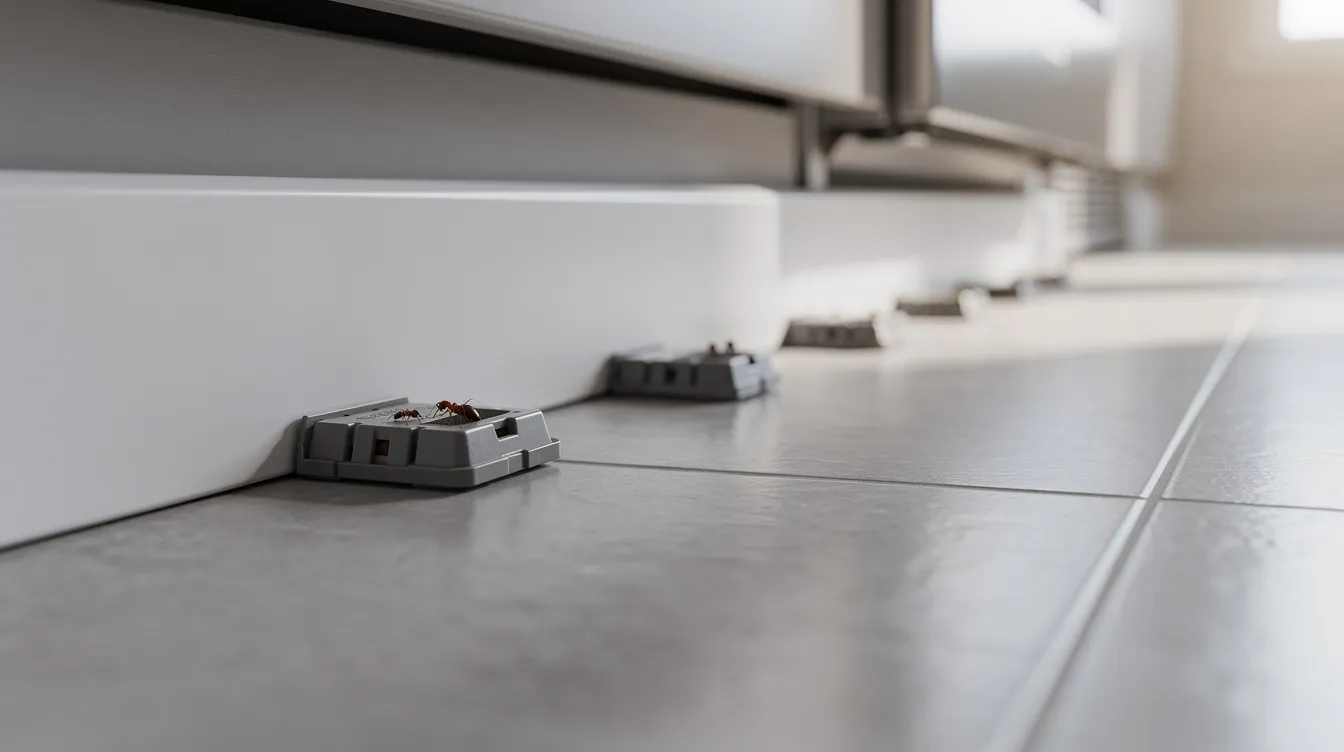
Allow baits to work for 3 to 7 days. Resist the urge to spray ants directly during this period—you want them carrying the bait back to feed the colony. After one to two weeks, discard stations in sealed bags outdoors. Reset if trails persist.
Step 6: When and How to Use Commercial Ant Products
When natural remedies aren’t enough, commercial products from hardware stores and supermarkets can help—but correct application matters. Read all labels carefully and check for pet-safe formulas.
Indoor ant sprays:
Apply short bursts directly on trails and around entry points. Ventilate rooms thoroughly and avoid spraying food contact surfaces. Never spray near pet food bowls or children’s play areas.
Ready-made bait stations and gels:
Products containing hydramethylnon or fipronil work effectively when placed along active trails in kitchens, sculleries, and garages. These allow ants to feed and return to the nest, similar to DIY baits.
Outdoor powders and granules:
Apply around paving, foundations, and perimeter walls. Never scatter where pets or children play in the garden.
Follow South African safety symbols on packaging. If you’re unsure about chemical application, calling a professional pest control company that uses targeted, low-toxicity products is safer than trial-and-error with random shop products.
Step 7: Dealing with Outdoor Nests and Anthills
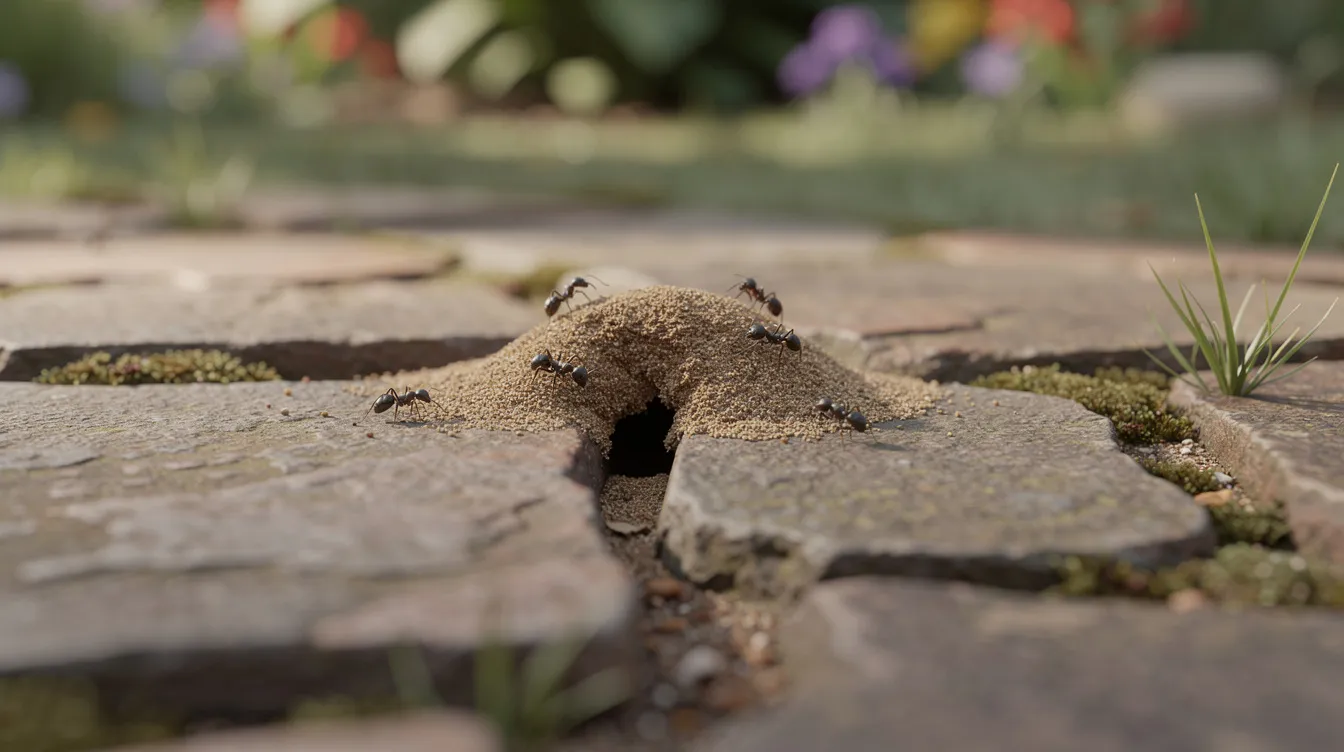
In many South African homes, the real problem lies in large ant nests under paving, driveways, lawns, or around pool areas. These outdoor colonies continuously send workers inside, making indoor treatment alone insufficient.
Locate nests by following heavy ant trails outdoors. Check between paving slabs, under pot plants, beneath garden edging, and near foundations. Anthills on lawns are obvious, but many species create hidden nests in soil or under structures.
For small anthills, pour boiling water directly into the nest entrance. Repeat treatments over several days, taking care around plants and paving that could crack from heat exposure.
Larger nests, particularly those established under concrete or inside walls, often require professional-grade treatments. Disturbing these without proper treatment can trigger colony budding—where colonies split and create multiple new nests, making your ant infestation significantly worse.
Preventing Ants from Returning in South African Homes
Long-term ant control is 80% prevention. Once you’ve eliminated current insects, maintaining good habits prevents future pests from establishing.
Daily and weekly habits:
- Wipe counters and clean kitchen surfaces after every meal
- Sweep or vacuum crumbs regularly
- Empty kitchen bins nightly
- Rinse pet food bowls after feeding
- Keep your home clean and free of food debris
Storage practices:
- Store flour, sugar, cereal, and dog pellets in airtight containers
- Avoid cardboard packaging in pantries—ants chew through it easily
- Manage braai leftovers and outside bins carefully
- Maintain compost heaps away from the house
Houseplant checks:
Inspect soil for ants farming aphids. Repot or discard heavily infested plants. Place citrus peels around pots as deterrents.
Outdoor maintenance:
Trim shrubs and creepers touching walls. Clear leaf litter and debris against the house. These areas provide shelter where other pests and bugs establish nests.
When It’s Time to Call Professional Ant Control
Some infestations are simply too entrenched for DIY methods. Repeated invasions every summer, huge numbers appearing in multiple rooms, or colonies established in structural elements require professional intervention.
Signs you need professional help:
- Large ant colonies under paving or foundations
- Ants emerging from plug points or wall sockets
- Flying ants swarming inside your house
- Infestations near babies, elderly family members, or allergy sufferers
- Argentine ant supercolonies that keep returning despite treatment
Professional technicians identify the exact species, locate hidden nests using specialised equipment, and apply targeted gel baits and non-repellent sprays that kill ants without alerting the colony. They create perimeter barriers with registered insecticides and typically offer warranties or follow-up visits if ants return.
For South African homeowners, professional treatment often proves cheaper and safer than repeated trial-and-error with shop products—especially for persistent species like Argentine ants that form massive supercolonies across properties.
Find Trusted Ant Exterminators in South Africa
Start with quick DIY steps to remove food, break scent trails, and seal entry points. These methods handle many light infestations effectively. But for recurring problems or severe ant colonies, don’t hesitate to escalate to professional help.
Pest Control Near You makes finding the right specialist simple. Browse the largest selection of pest control specialists in South Africa, covering ants, cockroaches, rodents, and other pests. Filter by city or suburb—whether you’re in Johannesburg, Pretoria, Cape Town, Durban, Gqeberha, or anywhere else—compare services and reviews, and request quotes directly from local ant exterminators.
Act before the next wave of hot weather or rainy season increases ant activity in your area. With the right combination of good sanitation habits, smart DIY tactics, and professional help when needed, an ant-free home is entirely achievable.