Key Takeaways
- Bed bugs are hitchhiking pests that enter homes primarily through travel, used furniture, shared living spaces, and visitors, not because of dirt or poor hygiene.
- These small, flat, reddish-brown insects hide in mattress seams, bed frames, upholstered furniture, and cracks, making early detection challenging.
- Bed bugs feed on human blood at night, leaving itchy, red bite marks often in a line or zigzag pattern on exposed skin.
- Their ability to survive months without feeding, rapid reproduction, and resistance to common insecticides make infestations difficult to eliminate without professional help.
- Early identification of bed bugs or their signs, such as blood spots, shed skins, and a musty odor, enables quicker and more effective control.
- In cases of persistent or widespread infestations, especially in apartment complexes or shared residences, professional pest control services are often necessary to fully eradicate bed bugs.
Bed bugs are one of the most frustrating household pests to deal with, and South African homes aren’t immune. Whether you’re in a Sandton penthouse or a student flat in Braamfontein, these blood-feeding insects can find their way inside. This guide breaks down exactly what causes bed bugs, how to spot them early, and when it’s time to call in professional help.
Quick answer: what actually causes bed bugs in your home?
Bed bugs don’t appear because of dirt or poor housekeeping. They enter your home as hitchhikers—clinging to your luggage, clothing, or furniture from an infested location.
Here’s the direct answer:
- The main cause of a bed bug infestation is exposure to infested places and bringing bugs home unknowingly on personal belongings
- Common exposure points include hotels, guesthouses, public transport, second-hand furniture, and shared living spaces
- In South Africa, high travel volumes through OR Tambo and Cape Town International airports create ideal conditions for these pests to spread
- Dense urban housing in Johannesburg, Cape Town, Durban, Pretoria, and Bloemfontein amplifies the risk
- Once inside, bedbugs live and multiply because they hide extremely well, reproduce quickly, and can survive months without feeding
- Cleanliness doesn’t cause or prevent them—but clutter helps them hide longer
The bottom line: bed bugs are about opportunity and movement, not hygiene.
What are bed bugs?
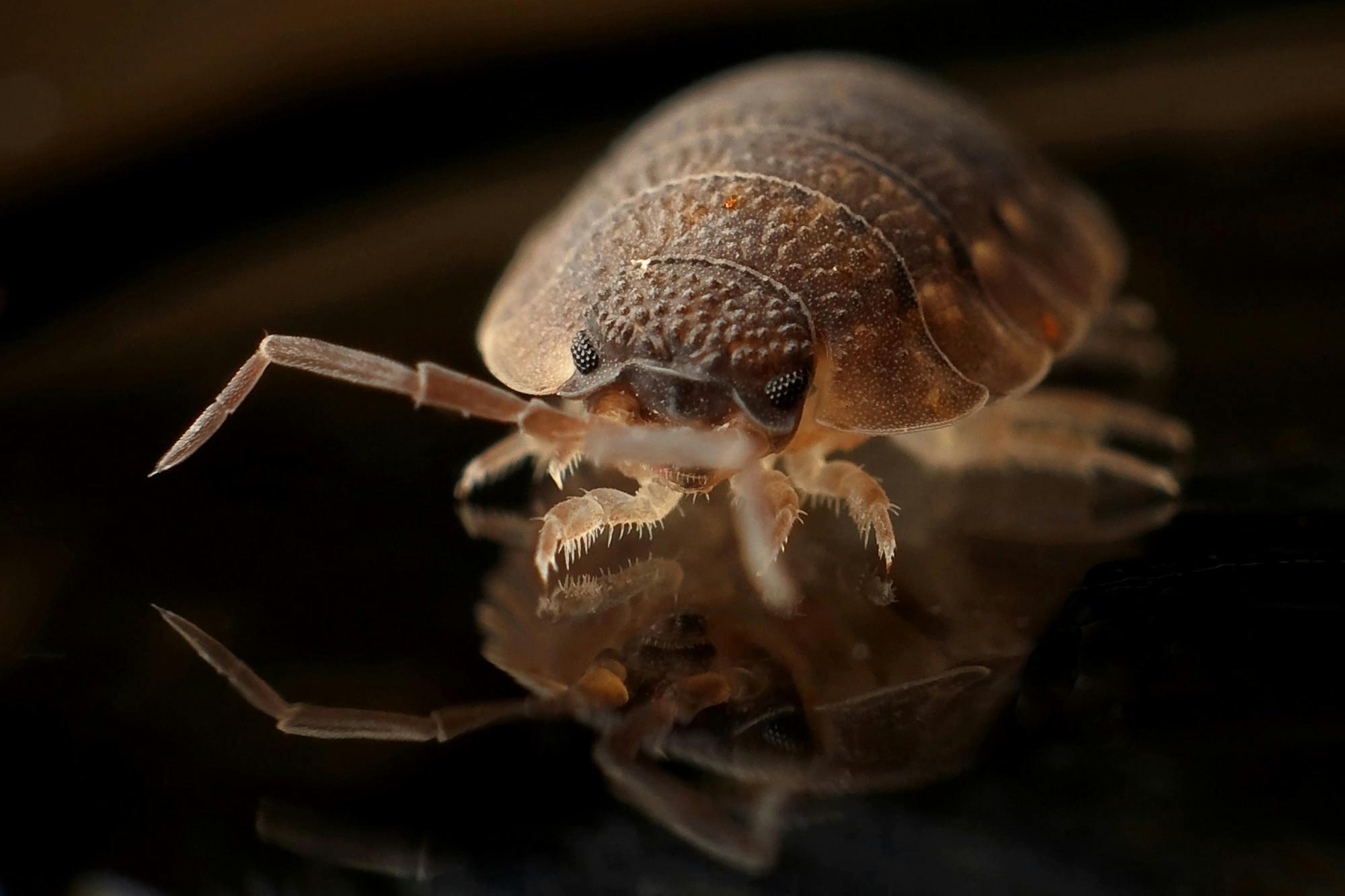
Before you can prevent or treat an infestation, you need to understand what you’re dealing with. Bed bugs are small, flat, reddish brown parasitic insects that feed primarily on human blood while people sleep at night.
Key facts about bed bugs:
- Size and appearance: Adult bedbugs measure 4–7 mm in length, roughly the size of an apple seed. Their flat bodies allow them to squeeze into incredibly tight spaces. After feeding, they swell and turn a darker purplish-red colour.
- Species in South Africa: The common bed bug (Cimex lectularius) is found nationwide, while the tropical bed bug (Cimex hemipterus) is more prevalent in warmer regions like KwaZulu-Natal and Limpopo.
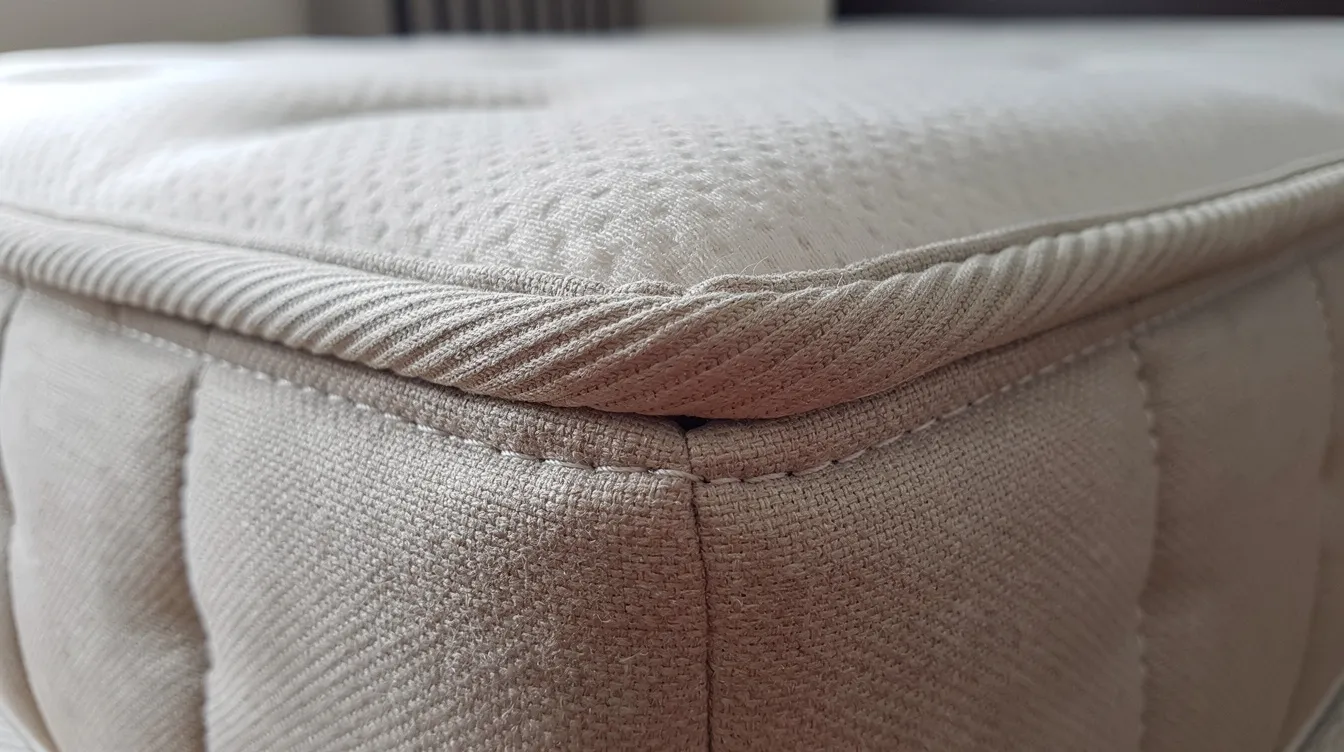
- Hiding spots: They favour mattress seams, bed frames, box springs, headboards, skirting boards, cracks in walls, behind pictures, electrical outlets, and in upholstered furniture like couches and armchairs.
- Life cycle: Females can lay 200–500 eggs over a 6–12 month lifespan, with eggs hatching in 6–10 days. Nymphs molt through five stages before reaching adulthood.
- Feeding behaviour: Bugs feed at night, attracted by the carbon dioxide and warmth from the human body. They leave bites on exposed skin—arms, legs, neck, and back.
These insects are expert survivors, which is exactly why they’re so difficult to eliminate once established.
What causes bed bugs?
Bed bugs don’t spontaneously generate or crawl in from outside like ants. Every infestation starts with bugs being carried in from somewhere else. Their “hitchhiker” behaviour means they cling to fabric, seams, and tiny crevices on bags, clothing, and furniture.
Most common introduction routes
Travel exposure:
- Hotels, guest lodges, B&Bs, backpackers, and hostels across South Africa and internationally
- Long-distance buses, minibus taxis, and flights where bugs can transfer between passengers
- Student digs and dorm rooms where high turnover increases risk
- Hotel rooms should always be inspected before unpacking—place your bag on a suitcase stand, not the bed
Second-hand and borrowed items:
- Used furniture including mattresses, bed bases, couches, wardrobes, and office chairs
- Secondhand items purchased from Facebook Marketplace, Gumtree, or pawn shops
- Free furniture found on the curb or passed between friends
- Suitcases and bags bought second-hand
Shared living spaces:
- Apartment buildings and apartment complexes where bugs crawl between units
- Student residences, staff quarters, retirement homes, and boarding schools
- Bugs travel through cracks in shared walls, along skirting boards, and through conduits
Visitors:
- Domestic workers, guests, or friends unknowingly carrying bugs from another infested area
In cities like Johannesburg, Cape Town, and Durban, the combination of high-density living, frequent travel, and a thriving second-hand market creates perfect conditions for bed bugs to spread between homes and buildings.
Remember: cleanliness doesn’t prevent entry, but decluttering makes detection easier.
Why bed bugs spread so easily
Once even a few bugs get inside, their biology works in their favour. Understanding why they spread helps explain why early action matters so much.
Survival abilities:
- Adults can survive 6–12 months without a blood meal in cool conditions (around 13°C)
- Eggs are tiny (about 1 mm), sticky, and pearly white—easily missed during casual cleaning
- They tolerate South African indoor temperatures of 20–30°C extremely well
Movement and hiding:
- Bedbugs usually stay within 2–3 metres of where people sleep but can crawl further
- They move through cracks, under skirting, along electrical conduits, and through shared walls
- Their flat bodies let them squeeze into spaces as thin as a credit card
- They hide during the day and only emerge at night to feed, so populations grow undetected for months
Breeding speed:
- Under typical SA indoor conditions, they complete their life cycle in 4–6 weeks
- This allows multiple generations per year from just a few introduced bugs
- A single female can produce hundreds of offspring
DIY mistakes:
- Using the wrong chemicals often drives bugs deeper into walls and furniture
- Bed bug resistance to common insecticides like pyrethroids is well-documented
- Improper treatment scatters populations instead of eliminating them
This is why a small problem can quickly become a large infestation affecting an entire home or building.
Are bed bugs caused by a dirty house? Common myths vs reality
Let’s clear this up: bed bugs are not caused by dirt, mess, or low income. They’re caused by exposure to other infestations and bringing bugs home.
| Myth | Reality |
|---|---|
| Only dirty homes get bed bugs | Bed bugs infest luxury Sandton hotels and simple RDP houses equally—they care about blood meals and hiding spots, not cleanliness |
| Poor people have more bed bugs | Research confirms equal prevalence across all socioeconomic lines in South Africa |
| Cleaning will prevent them | Regular cleaning helps with early detection but can’t stop hitchhiking bugs from entering |
| Bed bugs carry diseases | Unlike mosquitoes, they aren’t known to transmit diseases—though bites cause discomfort and some people experience an allergic reaction |
What clutter actually does:
- Piles of clothes, stacked boxes, and crowded furniture provide extra hiding places
- This makes thorough inspection harder
- Infestations grow larger before anyone notices
- Reducing clutter speeds up detection, not prevention
The takeaway: anyone can get bed bugs. Quick, calm action is more effective than blame or embarrassment. Don’t confuse bedbug bites with flea bites or other insect problems—proper identification matters.
Early signs that bed bugs are already in your home
Catching an infestation early makes treatment far easier. Here’s what to look for in and around your bed, couches, and sleeping areas.
Physical signs on your body:
- Itchy, red bite marks, often appearing in lines or a zigzag pattern on arms, legs, neck, and back
- Bedbug bites typically appear overnight where skin is exposed during sleep
- Some people show no reaction at all, so don’t rely on bites alone
Signs on bedding and furniture:
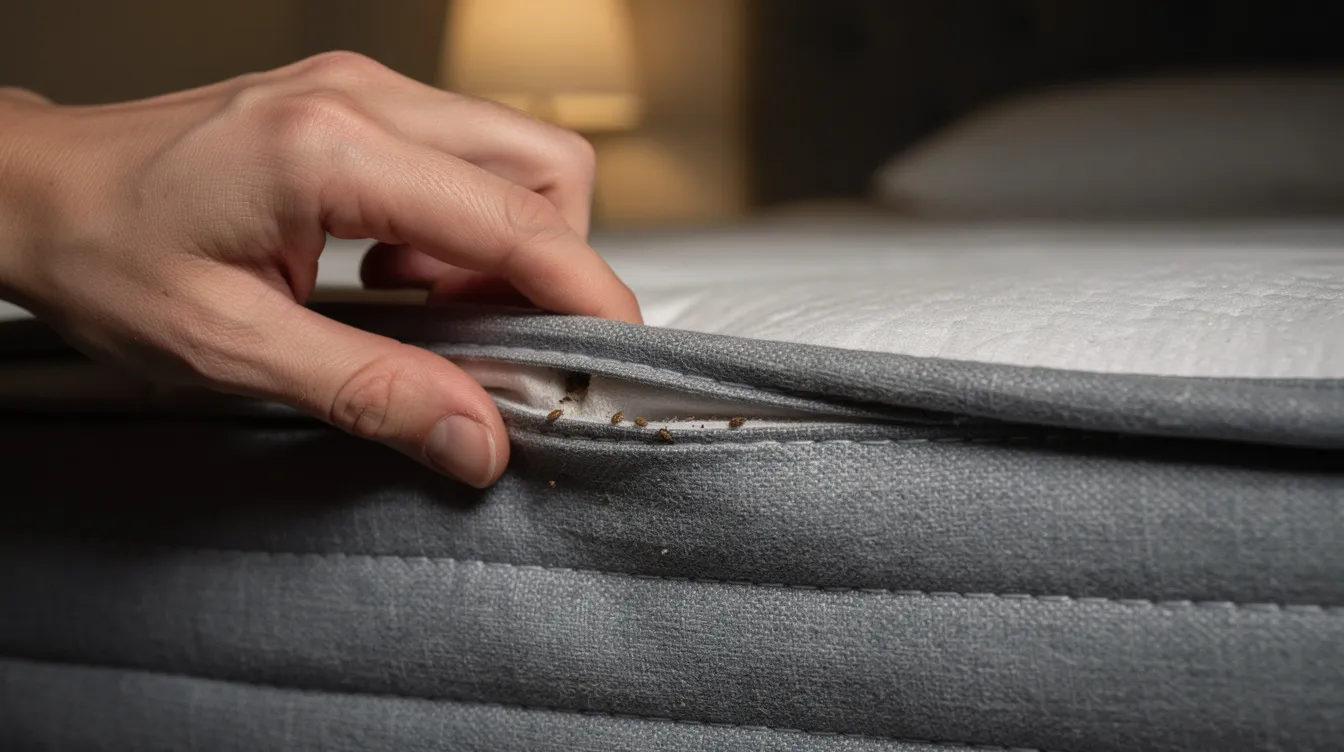
- Small blood spots (1–5 mm, rust-coloured) on sheets from crushed bugs after feeding
- Dark faecal specks (like ground pepper) on mattress seams, bed bases, and behind headboards
- Shed skins—translucent or light brown shell-like husks—around mattress edges and bed frames
- A musty smell in severe cases, particularly in closed bedrooms
Where to check:
- Under fitted sheets and around mattress handles and labels
- Inside cracks in bed frames and headboards
- Along baseboards and skirting boards
- Under loose wallpaper or peeling paint
- Around electrical outlets near beds
- In crevices of upholstered surfaces and other furniture
If you notice bedbugs or their signs, don’t panic—but do act quickly. The longer you wait, the harder treatment becomes.
How to reduce your risk of getting bed bugs in South Africa
You can’t eliminate risk entirely, but simple precautions and consistent habits significantly reduce your chances. Here are a few ways to protect your home.
Travel precautions
- Inspect hotel or lodge mattresses and headboards before unpacking—check seams, piping, and the bed frame
- Keep luggage on suitcase stands or hard surfaces, never on beds or carpets
- Use the luggage rack in hotel rooms instead of placing bags on upholstered furniture
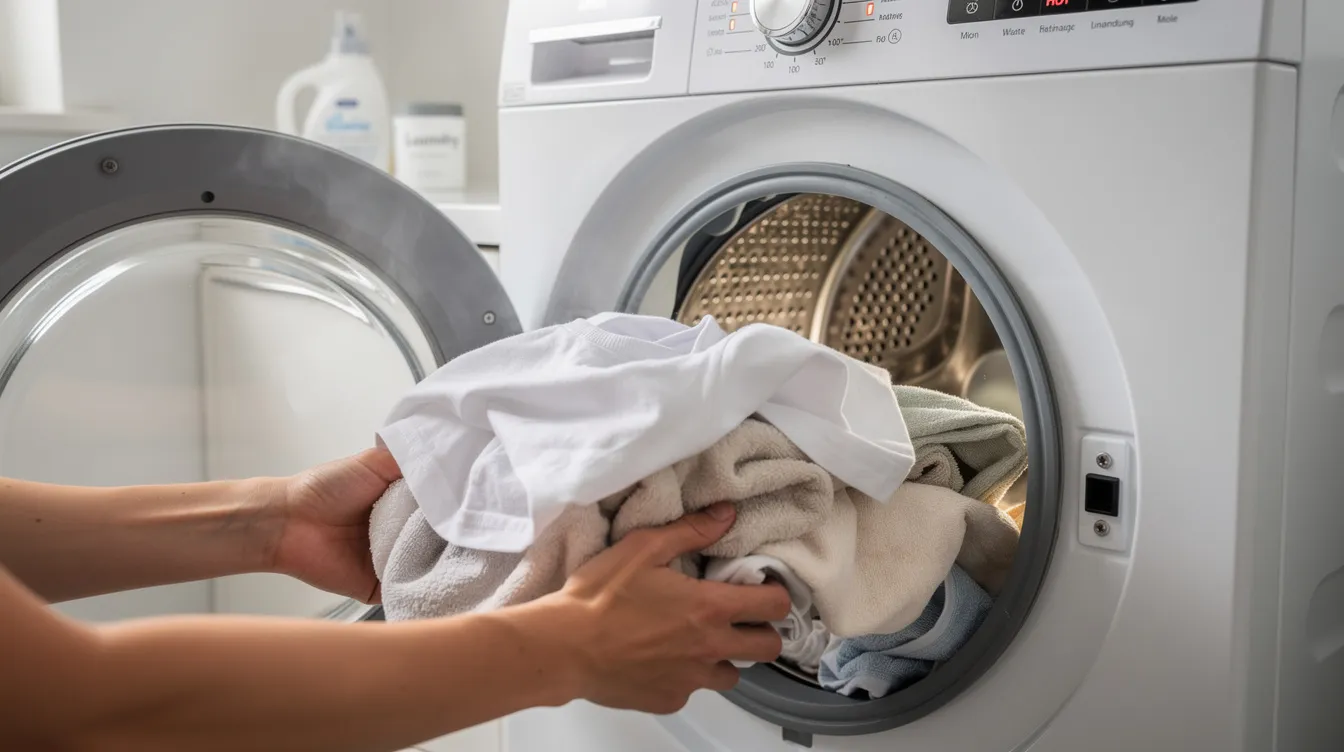
- On returning home, unpack directly into the washing machine
- Wash clothes on a hot cycle (at least 60°C) and tumble dry on high heat using a hot dryer—high temperatures kill bedbugs at all life stages
Second-hand purchases
- Perform a thorough inspection of used furniture before bringing it inside
- Check mattresses, bed bases, couches, and wardrobes bought from Johannesburg CBD, Bellville markets, or online platforms
- Avoid “free” mattresses and sofas left on curbs entirely
- Be cautious with secondhand items from pawn shops or estate sales
Home habits
- Use quality mattress and base encasements designed to be bed bug-proof
- Reduce clutter around beds and under bunks, especially in children’s rooms and student accommodation
- Vacuum regularly—focus on bedroom floors, skirting boards, mattress sides, and upholstery seams
- Use a stiff brush on mattress seams before vacuuming to dislodge eggs
- Seal cracks in walls and around skirting boards to reduce hiding spots
Shared buildings
- If you live in flats or student res, report suspected bed bugs immediately to building management or body corporates
- Early reporting helps check neighbouring units before bugs spread through the complex
- Don’t move infested items between rooms or into common areas
Taking these steps helps you avoid bringing bed bugs into your space in the first place.
What to do if you already have bed bugs
Discovering an infestation is stressful, but it’s manageable with the right approach. Here’s how to respond.
Immediate actions
Isolate and treat bedding:
- Wash sheets, pillowcases, duvet covers, pyjamas, and curtains in hot water (60°C+)
- Dry on the highest heat setting—this is critical to kill bedbugs and their eggs
- Seal clean items in a plastic bag until the room is treated
Vacuum thoroughly:
- Go over mattresses, bed frames, skirting boards, and nearby furniture
- Pay attention to seams, crevices, and edges where bugs hide
- Empty the vacuum immediately into a sealed bag and dispose of it outside
- Consider using a stiff brush on mattress seams before vacuuming
Treat the infested area:
- Remove clutter to expose hiding spots
- Consider steam cleaning upholstered surfaces (temperatures above 50°C kill all stages)
What NOT to do
- Don’t discard your bed or couch without professional advice—this can spread bugs through your building or neighbourhood
- Don’t rely on aerosol sprays alone—many home remedies push bugs deeper into hiding and are ineffective against resistant populations
- Don’t move infested items to other rooms
DIY vs professional help
- Small, early infestations in a standalone house might be reduced with thorough cleaning, encasements, and targeted products registered with authorities like the environmental protection agency
- However, attempting to control bedbugs yourself fails in 70–90% of cases due to missed eggs and insecticide resistance
- Medium to heavy infestations, or any bedbug infestation in a flat, boarding house, or guesthouse, typically require professional treatment
Professional services usually combine residual insecticides, heat treatments, steam, physical removal, and 2–4 follow-up visits to break the breeding cycle and fully control bed bugs.
When to call a professional bed bug exterminator in South Africa
Bed bugs are among the hardest DIY pests to eliminate. Knowing when to call pest control experts can save you months of frustration and escalating costs.
Clear triggers for professional help
- You’re seeing live bugs regularly or in multiple rooms
- Bites continue despite washing, vacuuming, and DIY treatments
- You live in a complex, block of flats, student res, or guesthouse where bugs may spread between units
- There are vulnerable people at home: infants, elderly residents, asthma sufferers, or those with weakened immune systems
- You’re unsure whether you’re dealing with bed bugs or similar-looking insects
Advantages of pest control companies
- Accurate identification: Professionals distinguish bed bugs from carpet beetles, bat bugs, and other pests with similar appearance
- Professional-grade tools: Access to heat treatments (whole-room heating to 50–60°C), commercial steamers, and registered insecticides
- Structured treatment plans: Usually 2–4 visits over several weeks to kill bedbugs at all life stages and break the breeding cycle
- Regulatory compliance: South African professionals use registered products following local regulations, minimising risk to humans, pets, and the environment
What professionals offer that DIY can’t match
Pest control experts understand that bugs feed at night and hide during the day. They know where bedbugs live—behind headboards, inside electrical outlets, under upholstered furniture, in cracks near where people sleep. They target the preferred host areas systematically and use methods proven to eliminate resistant populations.
The cost of professional treatment (averaging R5,000–R10,000 for apartments) is significant, but far less than the ongoing expense and stress of failed DIY attempts. In apartment buildings and apartment complexes, coordinated professional treatment is often the only way to prevent reinfestation from neighbouring units.
Need help now? Find trusted bed bug specialists near you
Bed bugs aren’t caused by dirt or poor housekeeping—they’re hitchhikers that can affect anyone. Early detection and consistent prevention habits make a real difference, but when an infestation takes hold, professional intervention is usually necessary to fully eliminate the problem.
If you suspect bed bugs in your home, don’t wait for the situation to worsen. Acting quickly gives you the best chance of containing the infestation before it spreads to other rooms or neighbouring units.
Browse Pest Control Near You to find and compare experienced bed bug exterminators in your city or town. The directory covers major metros including Johannesburg, Cape Town, Durban, Pretoria, and Bloemfontein, as well as smaller towns throughout South Africa’s provinces—Gauteng, Western Cape, KwaZulu-Natal, Eastern Cape, and beyond.
You can:
- Compare qualified pest control specialists in your area
- Request quotes from multiple providers
- Find services that match your budget and urgency
Don’t let bed bugs take over your home. Browse South Africa’s largest selection of pest control specialists through Pest Control Near You and take back your peace of mind today.